Psychological Aids & Tools
Environmental setup, hypnotic devices, background audio, and the placebo understanding — supports that enhance your practice.
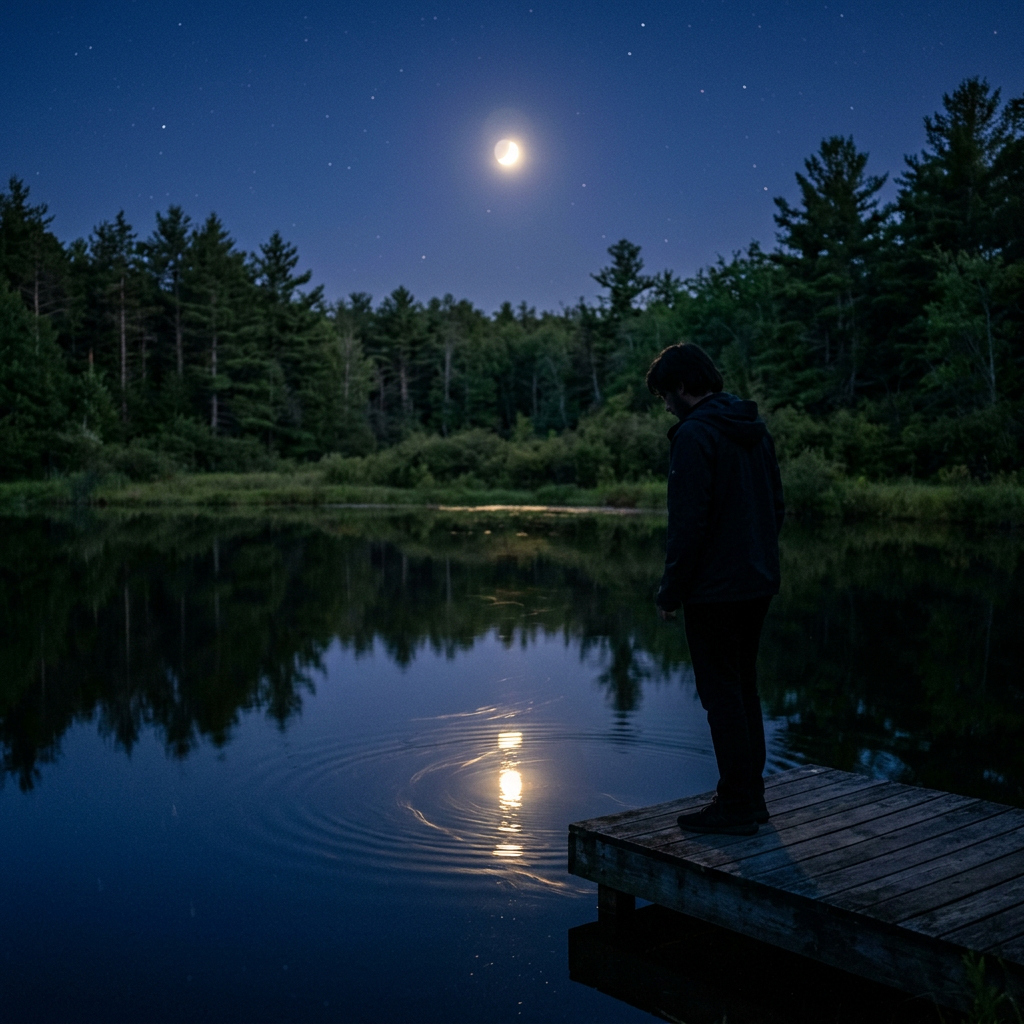
The Role of Psychological Aids
Hypnotic aids are tools that help create the right mental set for trance. Their power comes partly from expectation — when you use a "hypnotic" device, your mind knows it's time to enter trance.
The American School of Hypnosis manual notes: the same mental set would not follow if the hypnotist used a paper clip. The object must match what the subject expects. Use aids that feel right to you.
Environmental Setup
Creating your practice space:
- • Quiet: Choose a time and place where you won't be disturbed for 20+ minutes. Silence your phone.
- • Comfortable: A recliner, sofa, or bed. Loose clothing. Remove contact lenses and gum.
- • Dim lighting: Not necessary for trance, but the psychological effect of darkening the room signals it's time. Stage hypnotists work under bright lights, so darkness isn't required — but it helps.
- • Temperature: Slightly warm — body temperature drops in trance, so have a blanket ready.
- • Pets: Put them in another room. Animals sense your mental peace and may want to be close — a cat on your stomach during relaxation is quite a shock!
- • Phone on Do Not Disturb. If there's an emergency, your subconscious will alert you — but don't test this theory with important calls pending.
The Hypnodisc
The classic spiral disc on a turntable — the subject stares at it as it spins, and the eyes naturally fatigue and water. It works through physiological eye strain, not magic. The disc must work with everyone because it creates a real physical response.
You feed back this known physiological response: "Your eyes are becoming tired and watery, as they naturally do when you watch the disc. Your eyelids are getting heavy..." The subject sees the response is real, which builds confidence and expectancy.
A digital hypnodisc animation on your phone screen can serve the same function. Or simply use the eye fixation method with any spot above eye level — the principle is the same.
Background Audio
Powers developed some of the earliest hypnotic recordings. He found that certain sounds enhance trance:
🌧️ Rain Sounds
Powers' signature technique — he recorded 30 minutes each of light rain (on grass/canvas) and heavy rain (on pavement). The continuous, monotonous sound helps the mind let go. Picture yourself relaxing near a warm fireplace while listening.
⏱️ Metronome
A steady, monotonous beat. Mentally repeat "sleep" on each inhale and "deep sleep" on each exhale, in rhythm with the beat. The regularity is lulling.
🎵 Brahms' Lullaby
Powers used this specifically because it activates childhood memories of being put to sleep — maternal warmth, safety, love. It creates a pleasant nostalgia and unconscious association with sleep.
🎧 Binaural Beats
The Gateway Experience (Hemi-Sync) uses slightly different frequencies in each ear to guide brainwaves into alpha, theta, or delta states. Research shows some effectiveness for inducing altered states. Use with headphones.
🌊 Ocean Waves / Nature Sounds
Natural rhythmic sounds — waves, wind, streams — provide a steady, non-distracting background that masks environmental noise without demanding attention.
Hypnotic Recordings
Powers discovered something remarkable: some people who couldn't be hypnotized by a live hypnotist responded immediately to a recording. Why? The recording is impersonal — there's no personal threat, no relationship to resist. The subject relaxes more easily with a disembodied voice.
Creating your own recordings:
- Write your induction + deepener + suggestion script
- Record yourself reading it slowly, in a calm, monotone voice
- Use pauses — let the silence work
- Add background audio (rain, waves, music) at low volume
- Play it back during practice sessions
Some people prefer a voice other than their own. You can ask a trusted friend to record it, or use text-to-speech. The key is a calm, slow, monotonous delivery.
The Placebo Understanding
Understanding the placebo effect is essential for honest self-hypnosis. A placebo is an inactive substance or procedure that works because the patient believesit will. This isn't fraud — it's how all healing works to some degree.
Key Research Finding:
A major pharmaceutical study concluded that one-third of any medication's effectiveness depends on the patient's faith and trust in the prescribing physician. The belief is part of the medicine.
Powers describes an unconventional technique: a subject who insisted he needed amnesia to benefit from hypnosis. Powers couldn't achieve true amnesia with him, so he let the subject fall into natural sleep (which looks like deep hypnosis), waited 30 minutes, then asked: "Do you remember what I said?" When the subject said "No," Powers replied: "Very good — you've experienced amnesia. Now you'll make rapid progress." And he did — because his preconceived requirement had been met.
The principle: if meeting the subject's expectations (even irrational ones) increases their suggestibility, then it's good practice. It's not deception — it's working with the mind's own mechanisms.
Reading Is Hypnotic
The American School of Hypnosis manual makes a profound observation: reading itself is a form of hypnosis. When you're absorbed in a book, your critical faculty is suspended, your imagination is active, and you're highly suggestible to the author's ideas.
This means:
- • The books you read program your subconscious. Choose wisely. Inspirational books literally reprogram you for inspiration.
- • Reading your own suggestions can be a form of self-hypnosis. Read your script slowly, with feeling, and let the words sink in.
- • This very app — the content you're reading now — is subtly hypnotic. The more absorbed you are, the more the ideas settle into your subconscious.
- • Affirmations on cards placed where you'll see them (mirror, desk) work through repeated reading trance.
Writing Is Magical
Writing is a powerful programming tool because it engages both the conscious (forming words) and subconscious (the content flows from within). When you write your goals, suggestions, and intentions, you're doing a form of self-hypnosis.
- • Write your suggestions before trance. The act of writing clarifies your intention and begins programming.
- • Journal after sessions. Record what happened, what you felt, any insights. This reinforces the experience.
- • LeCron's condensation: Write the full goal, then condense to a sentence, then to a key word. The writing process itself deepens the programming.
- • Automatic writing (see Exploration module) is a direct channel to the subconscious.
This is why your app's Journal module is so powerful — it's not just recording; it's programming.
The Spirit Room Concept
The American School of Hypnosis manual includes a "spirit room" technique — a dedicated mental space for deep work. In trance, you construct an inner room:
- • Furnish it however you like — comfortable, beautiful, safe
- • Include a chair or bed for relaxation
- • This is your private inner sanctum for trance work
- • Visit it each session — it becomes a powerful conditioned trigger for deep trance
The spirit room is essentially an advanced version of the peaceful place — a space you build deliberately and return to consistently, making it richer and more effective over time.
Optimal Practice Times
Different sources recommend different optimal times:
- • Powers: At sleep onset — suggestions spill into the subconscious as you drift off.
- • LeCron: Same time daily — builds conditioned response. Your mind learns this time equals trance.
- • UW Clinician: Morning and evening for pain management — consistent intervention.
- • General: When you won't be disturbed and aren't too tired or too wired. Many find early morning or just before bed ideal.
Experiment to find your optimal time. The best time is the one you can commit to consistently.
Environment Setup Checklist
When you won't be disturbed for 20+ minutes
Do Not Disturb mode
Recliner, sofa, or bed
Nothing restrictive
Clear out anything that could distract
Signals it's time to relax (not required, but helpful)
Body temp drops in trance — have a blanket ready
Animals sense your peace and may want to join
'I shall work with self-hypnosis for 15 minutes'
Pre-written using the Suggestion Builder
Which hypnosis aid will you add to your practice space first? What environmental cue helps you drop into trance fastest?