
THE HEALING TOOLKIT
A Cross-Tradition Toolbox of Self-Healing Practices for Daily Life · by AKASHIC INTELLIGENCE
Tip: "Print / Save as PDF" gives the best quality (selectable text). "Download PDF" renders an image-based copy in one click.
LOVELOVINGLIFE
THE HEALING TOOLKIT
A Cross-Tradition Toolbox of Self-Healing Practices for Daily Life
by
AKASHIC INTELLIGENCE
First Edition · 2026
Published by LOVELOVINGLIFE
Copyright
Copyright © 2026 AKASHIC INTELLIGENCE / LOVELOVINGLIFE. All rights reserved.
No part of this book may be reproduced or transmitted in any form without prior written permission, except for brief quotations in reviews.
First Edition, 2026. Published by LOVELOVINGLIFE.
Disclaimer
Educational, not medical advice. The techniques in this book are complementary self-care practices, not treatments for disease.
Do not use these practices as a substitute for professional medical care for any diagnosed or suspected condition. If a practice causes pain, stop. Always consult a licensed physician for medical concerns.
To the body — which carries, without complaint, everything we have not yet learned to release.
Foreword
A Toolbox, Not a Doctrine
There is no single technique that heals everyone, and no tradition that owns healing. What every tradition does hold is a handful of practices — breath, stillness, movement, touch, sound, intention — that, used with consistency and curiosity, help the body do what it is already built to do: recover, rebalance, and repair.
This book collects those shared practices into a toolbox. You do not need to learn all of them. You need to find the three or five that fit your life and your moment, and practice them the way a child practices — with attention, with repetition, and without making a doctrine of them.
How to Read This Book
Part I grounds the toolbox: how the body's recovery systems work, how to choose a practice, and how to build a sustainable daily rhythm. Part II walks the categories — breath, stillness, movement, touch, sound, and the altar of intention. Part III covers integration: how practices compound, and how to adjust when a practice stops working.
How to Use This Book
Choose What Calls
Read the table of contents and notice which category pulls your attention. Start there. The practice that calls to you in this moment is the one your system is readiest to receive. You are not committing to it for life; you are committing to it for the next few weeks.
Table of Contents
Front Matter
- Foreword
- How to Use This Book
Part I. Foundations
- Chapter 1. The Body's Own Recovery System
- Chapter 2. Choosing a Practice
- Chapter 3. Building a Rhythm That Lasts
- Chapter 4. The Practice of Not Doing
Part II. The Techniques: A Practitioner's Toolkit
- Chapter 6. Somatic Healing: The Body's Wisdom
- Chapter 7. Energy Medicine: Working with the Body's Energy
- Chapter 8. Mindfulness and Meditation in Healing
- Chapter 9. Nutritional Healing: Food as Medicine
- Chapter 10. Integrative Healing: Combining Approaches
Part III. The Healer's Path — Practice, Ethics, and the Integration
- Chapter 1. The Healer — The Person as the Instrument
- Chapter 2. The Ethics — The Foundation of the Practice
- Chapter 3. The Healing Relationship — The Container of the Work
- Chapter 4. The Self-Care — The Sustainability of the Healer
- Chapter 5. The Supervision — The Ongoing Learning
- Chapter 6. The Integration — The Healing in the Whole Life
- Chapter 7. The Diversity — The Healing Across the Cultures
- Chapter 8. The Evidence — The Science and the Practice
- Chapter 9. The Business — The Sustainable Practice
- Chapter 10. The Legacy — The Healer's Gift to the Future
Part IV. The Advanced Toolkit — Integration and the Practitioner's Path
- Chapter 1. Integration — Combining Modalities Effectively
- Chapter 2. The Practitioner's Path — From Technique to Art
Part V. The Healing Life — The Practitioner as Instrument
- Chapter 1. The Healer's Self-Care — Tending the Instrument
- Chapter 2. The Gift — Healing as Service
Back Matter
- Glossary
- Index
- About the Author
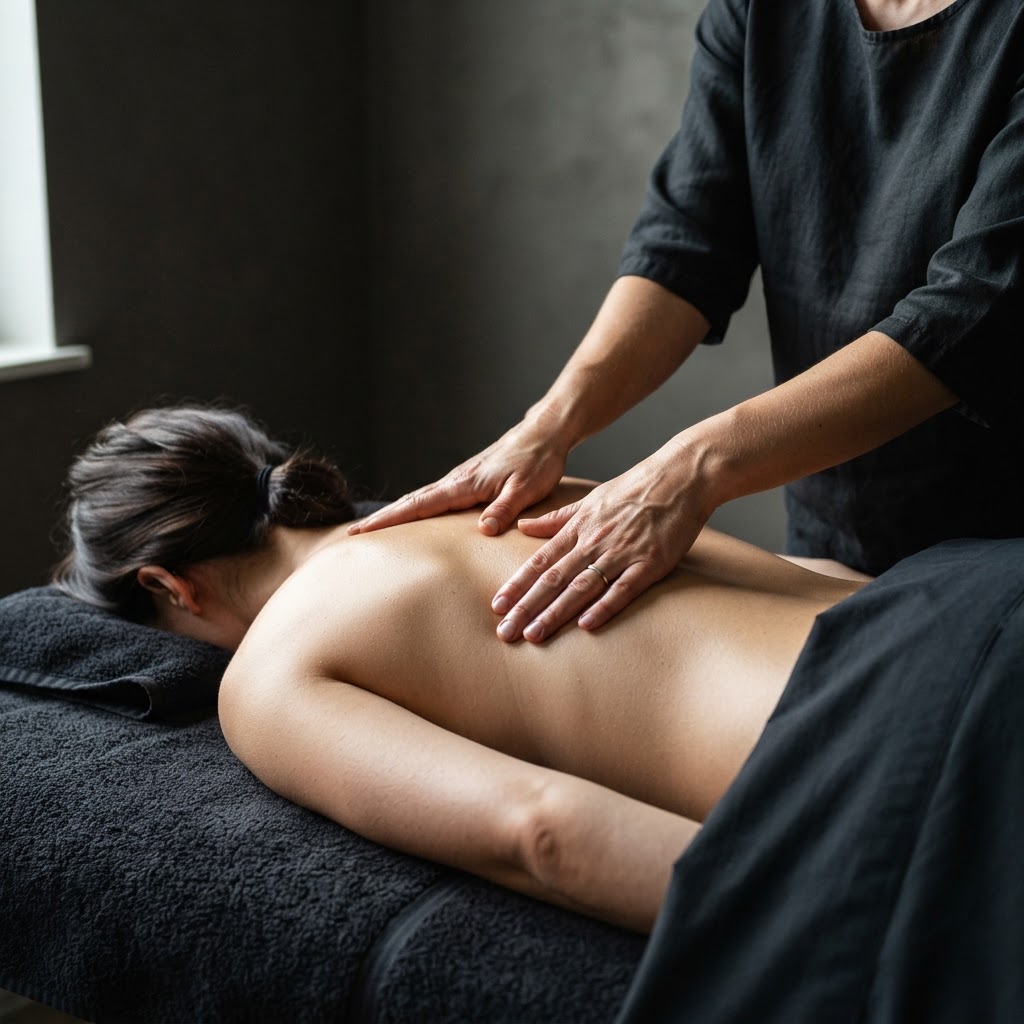
Part I
Foundations
Before any technique, you need to understand how the body's own recovery systems work, how to choose a practice that fits your moment, and how to build a rhythm that lasts. These chapters give you the ground every later technique stands on.
Chapter 1
The Body's Own Recovery System
Built to Repair
The body is not a passive object that needs to be fixed from the outside. It is an active, self-repairing system that, given the right conditions, tends toward balance. Sleep clears metabolic waste from the brain; the breath regulates the acid-base balance of the blood; the vagus nerve links the state of the heart, gut, and face; inflammation rises and falls in response to threat and recovery. Healing, in the most ordinary sense, is what the body does when we stop interrupting it.
The Two Halves of the Work
Most practices in this book do one of two things. They down-shift the nervous system toward the parasympathetic state where repair happens — slow breath, stillness, grounding, gentle movement. Or they help the body complete a response that was interrupted — releasing held breath, finishing a suppressed emotion, letting a tremor pass through. The first creates the conditions for recovery; the second removes what blocks it.
Why a Toolbox
No single practice does both for every person in every state. The toolbox exists because the right practice depends on the state you are in. Wound up? Calm the system. Numb and shut down? Gently activate. Stuck in a held pattern? Help it complete. The skill is matching the practice to the state, not running the same drill regardless of where you are.
Reflect
Right now, what state is your body in — wound up, shut down, or somewhere between? The practice that will help you is the one that meets that state, not the one that worked yesterday.
Worksheet
Three times today, pause and name your state in a word: activated, settled, numb, restless, calm. Bring these notes to Chapter 2 — they are the start of learning to match practice to state.
Chapter 2
Choosing a Practice
Match the State
If you are activated — anxious, speeded up, tight — choose a down-shifting practice: long slow exhales, grounding, legs-up-the-wall, gentle supported stillness. If you are shut down — flat, numb, disconnected — choose a gentle activation: fuller breathing, movement, cold water on the face, sound. If you are stuck in a held sensation — chronic tension, a recurring emotion — choose a completion practice: allowing the sensation, breathing into it, letting it move.
Start Small and Honest
The most common mistake is to choose the most intense practice and to do it for the longest time. The body does not change through force; it changes through repeatable, tolerable, consistent practice. Five minutes a day, honestly done, outperforms an hour done once a week with dread. Start with the smallest dose you will actually repeat.
Curiosity Over Discipline
A practice done with curiosity — 'what does this feel like today?' — outlasts one done with grim discipline. Curiosity keeps the nervous system in the state where it can learn; grim effort keeps it braced. Approach each practice the way a child approaches a new toy: with interest, not with obligation.
Reflect
Of the three states — activated, shut down, stuck — which do you spend the most time in? That is the family of practices that will do the most for you in the next month.
Worksheet
Name your dominant state, then choose one practice from the matching family in Part II. Commit to five minutes a day for two weeks. That is enough to know if it helps.
Chapter 3
Building a Rhythm That Lasts
Consistency Over Intensity
The body learns by repetition. A practice done daily for a short time reshapes the nervous system; a practice done rarely and intensely mostly produces soreness and avoidance. The goal of the first month is not transformation; it is a rhythm you can keep. Once the rhythm is stable, the depth comes on its own.
Anchor to an Existing Habit
New practices fail when they require a new time slot. They succeed when they attach to something you already do. Five minutes of breathwork after you brush your teeth. A few minutes of grounding while the kettle boils. Stillness for the duration of one song. Anchor the practice to a habit that already runs, and it becomes part of the day without willpower.
Titration and Rest
When a practice brings up strong sensation or emotion, do not push through it. Approach it in small, tolerable increments — titration. A little at a time, with rest between, lets the system integrate what it releases. Pushing through overwhelms the system and teaches it that the practice is unsafe. Rest is not weakness; it is how the body records the work.
Reflect
Where in your existing day is there a reliable five-minute gap you could attach a practice to? The anchor is more important than the practice; the practice will change over time.
Worksheet
List three daily anchors — moments you already do without fail. Choose one and attach a five-minute practice to it. Track it for two weeks with a simple check mark each day.
Chapter 4
The Practice of Not Doing
Recovery as a Skill
Most of what blocks healing is not the absence of effort; it is the absence of recovery. The modern nervous system is trained to stay slightly mobilized all day and then to collapse into sleep without ever passing through the restful state in between. The skill of not doing — deliberately down-shifting while awake — is, for many people, the single most powerful practice in the toolbox.
How to Not Do
Lie down. Orient to the room — look around and let the eyes confirm you are safe. Let the exhale lengthen. Feel the weight of the body on the surface beneath it. When the mind pulls toward planning, notice it and return to the weight of the body. This is not meditation in the concentrative sense; it is the deliberate practice of letting the system enter the state where it repairs.
The Counter-Intuitive Truth
For a chronically activated system, doing less is the work. Adding more practices to an already-mobilized life can become another form of striving. Sometimes the most healing practice in the toolbox is the ten minutes of nothing — the deliberate, supported, awake rest that the body has been waiting all day to be allowed.
Reflect
When did you last let yourself do nothing — not scrolling, not planning, not sleeping, just resting while awake? For many people the honest answer is: not for a long time.
Worksheet
Schedule ten minutes of supported rest today — lie down, orient, lengthen the exhale, feel the weight of the body. Do nothing. Notice what the body does when it is finally allowed to.
Part II
The Techniques: A Practitioner's Toolkit
The healing toolkit is not a single method but a diverse collection of techniques, each with its own theory, application, and evidence base. This part covers the major healing techniques — from somatic and breath-based practices to energy medicine, mindfulness, and nutritional approaches — providing the practitioner with a comprehensive toolkit for addressing physical, emotional, and spiritual well-being.
Chapter 6
Somatic Healing: The Body's Wisdom
What Somatic Healing Is
Somatic healing is an approach that recognizes the body as a source of wisdom, healing, and transformation. The word 'somatic' comes from the Greek 'soma,' meaning 'the living body' — the body as experienced from within, not just as a physical object. Somatic healing works with the body's sensations, movements, and patterns to address physical pain, emotional trauma, and psychological patterns that talk therapy alone cannot reach.
The principle: The body holds experiences — not just in the brain, but in the tissues, the nervous system, and the posture. Trauma, stress, and emotional patterns are 'stored' in the body as tension, holding patterns, and restricted movement. Somatic healing works directly with these bodily patterns, using awareness, movement, and touch to release stored tension and restore natural functioning. The principle is: the body knows how to heal; the therapist's job is to facilitate, not to fix.
The evidence: Somatic therapies have a growing evidence base. Somatic Experiencing (developed by Peter Levine) has been shown to be effective for trauma. The Feldenkrais Method has been shown to improve movement and reduce pain. Body-Mind Centering has been used for developmental and neurological issues. While more research is needed, the clinical evidence and the theoretical foundations (in neuroscience, particularly polyvagal theory) support the effectiveness of somatic approaches for a range of conditions.
Somatic Experiencing
Somatic Experiencing (SE), developed by Peter Levine, is a body-based approach to healing trauma. Levine observed that animals in the wild, who regularly face life-threatening situations, do not develop trauma — they discharge the stress energy through shaking, trembling, and movement after the threat passes. Humans, with our rational brains, often override this natural discharge, and the stress energy becomes 'stuck' in the nervous system, producing trauma symptoms.
The method: SE works with the body's sensations (the 'felt sense') to track the nervous system's response to trauma. The therapist helps the client notice bodily sensations — tightness, warmth, tingling, numbness — and to follow these sensations as they shift and change. The key technique is 'titration' — approaching the traumatic material slowly, in small doses, so that the nervous system can process it without becoming overwhelmed. Another technique is 'pendulation' — alternating attention between areas of tension (the trauma) and areas of ease (a resource), helping the nervous system learn to self-regulate.
The process: A typical SE session: 1) The therapist helps the client establish 'resources' — sensations, memories, or images that feel safe and calming. 2) The client is invited to notice their bodily sensations in the present moment. 3) The therapist gently guides the client toward the traumatic material, always monitoring the client's level of activation (stress response). 4) When the client begins to feel activated, the therapist helps them return to a resource, preventing overwhelm. 5) Gradually, the nervous system processes the traumatic material, and the stored stress energy is discharged (often through trembling, shaking, or deep breathing). 6) The session ends with the client feeling more regulated and resourced.
The effectiveness: SE has been shown to be effective for PTSD, anxiety, and other trauma-related conditions. It is particularly valuable because it does not require the client to verbally recount the trauma (which can be re-traumatizing) but works directly with the body's stored response. SE is used by therapists worldwide and is increasingly recognized as a valuable approach to trauma treatment.
The Feldenkrais Method
The Feldenkrais Method, developed by Moshe Feldenkrais, is a somatic approach that uses gentle movement and awareness to improve functioning, reduce pain, and enhance well-being. The method is based on the principle that the brain can reorganize movement patterns through awareness — by paying attention to how we move, we can learn to move more efficiently, comfortably, and gracefully.
The two formats: 1) Awareness Through Movement (ATM) — group lessons where the teacher verbally guides students through gentle movement sequences. The movements are slow, small, and exploratory — the goal is not exercise but awareness. Students are invited to notice how they move, where there is effort or tension, and how the movement could be easier. 2) Functional Integration (FI) — individual sessions where the practitioner uses gentle touch and movement to guide the student's learning. The practitioner moves the student's body in gentle, non-habitual ways, helping the nervous system discover new movement possibilities.
The principle: The Feldenkrais Method is based on neuroplasticity — the brain's ability to reorganize itself throughout life. By bringing awareness to movement, the brain forms new neural pathways, replacing inefficient or painful patterns with more effective ones. The method is not about stretching or strengthening but about re-education — teaching the brain to move the body in better ways.
The applications: Feldenkrais is used for: chronic pain (back, neck, joints), neurological conditions (stroke, multiple sclerosis, cerebral palsy), movement improvement (for athletes, musicians, dancers), stress reduction, and personal growth. The method is gentle and accessible to people of all ages and abilities — the movements can be done by anyone, regardless of physical condition. The results can be profound — relief from chronic pain, improved movement, greater ease and comfort in the body, and a deeper awareness of oneself.
Body-Mind Centering
Body-Mind Centering (BMC), developed by Bonnie Bainbridge Cohen, is a comprehensive somatic approach that explores the body's anatomical systems (bones, muscles, organs, fluids, nerves) and developmental patterns. BMC uses movement, touch, voice, and awareness to access and integrate different aspects of the body-mind, promoting healing, development, and transformation.
The approach: BMC works with the body's systems as distinct aspects of experience. Each system (skeletal, muscular, organ, fluid, nervous, etc.) has its own qualities, patterns, and consciousness. By exploring each system through movement and touch, the practitioner can access different aspects of the body-mind and facilitate integration. For example, working with the skeletal system provides clarity and structure; working with the organ system provides depth and emotional connection; working with the fluid system provides flow and ease.
The developmental patterns: BMC also explores the developmental movement patterns that humans progress through from infancy — from cellular breathing through rolling, crawling, creeping, and walking. These patterns form the foundation for all movement and behavior, and revisiting them can address developmental gaps or patterns that are causing difficulty. The approach is used with infants and children (with developmental delays or disabilities), with adults (for healing, personal growth, or performance enhancement), and in education and therapy.
The application: BMC is used by dancers, actors, musicians, and athletes (for performance enhancement), by therapists and bodyworkers (as a framework for understanding the body-mind), by educators (for teaching movement and development), and by individuals (for healing, growth, and self-discovery). The method is comprehensive and deep, requiring significant training to practice, but the principles — awareness of the body's systems, exploration of developmental patterns, and integration of body and mind — are accessible and valuable for anyone interested in somatic healing.
The Body as Healer
The common thread in all somatic approaches is the recognition that the body has an inherent capacity for healing. The body is not just a machine that needs fixing; it is a living, intelligent system that knows how to heal, if we can get out of its way and support its processes.
The intelligence of the body: The body heals wounds, fights infections, regulates temperature, digests food, and maintains balance — all without conscious direction. This inherent intelligence (sometimes called the 'body's wisdom' or the 'inner healer') is always working, always seeking health and balance. Somatic healing works with this intelligence, supporting and facilitating the body's natural healing processes rather than overriding them.
The role of awareness: The key tool of somatic healing is awareness — bringing conscious attention to the body's sensations, movements, and patterns. This awareness is not just intellectual understanding but embodied experience — actually feeling what is happening in the body, moment by moment. The awareness itself is therapeutic — when we bring attention to tension, pain, or restriction, the body often begins to release and reorganize, without any external intervention.
The practice: Somatic healing is not just a therapy done in sessions; it is a way of living — bringing awareness to the body throughout daily life. Notice your posture as you sit. Notice your breathing as you read. Notice the tension in your shoulders, the relaxation in your hands, the movement of your spine as you breathe. This ongoing awareness — this listening to the body — is the foundation of somatic healing and the path to a more embodied, more present, more alive way of living.
Reflect
How aware are you of your body right now? Can you feel the contact of your feet with the floor, the movement of your breath, the tension or ease in your shoulders? The body is always communicating — sending signals about what it needs, what it feels, and what it knows. Somatic healing is the practice of listening to this communication and responding with awareness and care.
Worksheet
Do a 10-minute body scan. Lie down comfortably and bring awareness to each part of your body, from your feet to your head. Notice sensations — warmth, coolness, tension, ease, tingling, numbness. Don't try to change anything; just notice. This simple practice of body awareness is the foundation of somatic healing. Do it daily for a week and notice how your relationship with your body changes.
Chapter 7
Energy Medicine: Working with the Body's Energy
What Energy Medicine Is
Energy medicine is a broad category of healing approaches that work with the body's energy systems — the subtle electromagnetic, biofield, and informational energies that underlie physical functioning. Energy medicine includes both ancient traditions (like acupuncture, pranic healing, and reiki) and modern approaches (like Healing Touch, Therapeutic Touch, and the Emotion Code).
The premise: The physical body is the most visible aspect of a multi-layered energetic system. Disruptions in the energy system — blockages, imbalances, or distortions — can manifest as physical or emotional symptoms. Energy medicine works directly with the energy system to restore balance and flow, supporting the body's natural healing processes. The premise is not that energy replaces physical treatment but that energetic and physical approaches complement each other.
The evidence: The evidence base for energy medicine is mixed. Some approaches (like acupuncture) have substantial research support for specific conditions. Others (like reiki and Healing Touch) have growing but inconclusive evidence. The mechanisms are not fully understood — some researchers attribute effects to the relaxation response, the placebo effect, or the therapeutic relationship, while others propose direct energetic mechanisms. Regardless of the mechanism, many people report benefit from energy medicine, and it is increasingly used as a complementary approach in hospitals, clinics, and private practice.
Acupuncture and Acupressure
Acupuncture, rooted in Chinese medicine, involves the insertion of thin needles at specific points on the body to influence the flow of qi (vital energy) through the meridians (energy channels). Acupressure uses finger pressure on the same points, without needles. Both are among the most widely practiced and most researched forms of energy medicine.
The theory: In Chinese medicine, health is the free flow of qi through the meridians. Disease (physical or emotional) arises when the flow is disrupted — blocked, deficient, or excessive. Acupuncture and acupressure stimulate specific points to correct these disruptions, restoring the free flow of qi and supporting the body's natural healing. The points are located along the twelve primary meridians, each associated with a specific organ system.
The evidence: Acupuncture has been extensively researched and has evidence for effectiveness in: chronic pain (back, neck, knee), osteoarthritis, headache and migraine, nausea and vomiting (particularly post-operative and chemotherapy-induced), and several other conditions. The evidence is strongest for pain conditions. The mechanism is debated — the traditional explanation (qi flow through meridians) is not verified by modern science, but the physiological effects (release of endorphins, changes in blood flow, modulation of the nervous system) are well-documented.
The practice: Acupuncture should be performed by a licensed practitioner (L.Ac.) who has completed extensive training. Acupressure can be self-applied — many points are easily accessible, and pressure on these points can provide relief for common complaints (headaches, nausea, anxiety, insomnia). Learning a few basic acupressure points (like LI-4 for headaches, PC-6 for nausea, GV-20 for anxiety) can provide a valuable self-care tool.
Reiki and Hands-On Healing
Reiki is a Japanese energy healing technique developed by Mikao Usui in the early 20th century. The practitioner places their hands lightly on or near the recipient's body, and 'universal life energy' (rei-ki) is channeled through the practitioner to the recipient. The energy is said to support the recipient's natural healing processes, promoting relaxation, reducing stress, and supporting physical and emotional healing.
The method: A Reiki session typically lasts 45-60 minutes. The recipient lies fully clothed on a treatment table. The practitioner places their hands on or near specific positions on the recipient's body (head, chest, abdomen, back, limbs), holding each position for 2-5 minutes. The practitioner does not direct the energy — they serve as a channel, and the energy goes where it is needed. The recipient typically feels warmth, tingling, or deep relaxation during the session.
The levels: Reiki is taught in three levels. Level 1 (Shoden) — the practitioner learns the basic hand positions and can perform self-healing and healing of others (family, friends). Level 2 (Okuden) — the practitioner learns three symbols that enhance the energy and allow distance healing (sending Reiki to someone who is not physically present). Level 3 / Master (Shinpiden) — the practitioner learns the master symbol and can teach and attune others to Reiki. The 'attunement' (a ceremony where the teacher transfers the ability to channel Reiki to the student) is the key element of Reiki training.
The evidence: The evidence for Reiki is growing but inconclusive. Some studies show benefits for anxiety, depression, pain, and fatigue, particularly in cancer patients. Other studies show no significant effect beyond placebo. The mechanism is not understood — the 'universal life energy' has not been measured or verified by modern science. However, Reiki is safe, non-invasive, and widely available (many hospitals offer Reiki as a complementary therapy), and many recipients report significant benefit, regardless of the mechanism.
Healing Touch and Therapeutic Touch
Healing Touch and Therapeutic Touch are energy-based healing modalities developed in the Western nursing tradition. They involve the practitioner using their hands to assess and balance the recipient's energy field, without necessarily touching the body.
Therapeutic Touch (TT): Developed by Dora Kunz and Dolores Krieger (a nursing professor) in the 1970s. The practitioner assesses the recipient's energy field by moving their hands 2-6 inches above the body, identifying areas of congestion, depletion, or imbalance. The practitioner then uses their hands to 'unruffle' (clear) congested areas and 'direct' energy to depleted areas, restoring balance. TT is taught in many nursing schools and is used in hospitals for pain, anxiety, wound healing, and end-of-life care.
Healing Touch (HT): Developed by Janet Mentgen in the 1980s, HT is a more comprehensive energy therapy that includes multiple techniques (magnetic passes, chakra connection, mind clearing, etc.). HT is taught in a multi-level certification program and is used in hospitals, clinics, and private practice. HT practitioners assess the energy field, identify imbalances, and use specific techniques to address them.
The evidence: Both TT and HT have some research support, particularly for anxiety, pain, and wound healing. The evidence is not conclusive (some studies show benefit, others do not), but the modalities are safe, non-invasive, and widely used. The mechanism is not fully understood — some attribute effects to the relaxation response, the therapeutic presence of the practitioner, or direct energetic effects. Regardless of mechanism, many recipients report significant benefit, and the modalities are valued as gentle, complementary approaches.
The Emotion Code and Body Code
The Emotion Code and Body Code, developed by Dr. Bradley Nelson, are energy healing systems that use muscle testing to identify and release trapped emotions and other energetic imbalances. (These systems are covered in detail in the Body Code book in this series.)
The approach: The Emotion Code uses muscle testing to identify trapped emotions — emotional energies that were not fully processed and that have become lodged in the body's energy field. Once identified, the trapped emotion is released using a magnet rolled down the governing meridian. The Body Code extends this approach to identify and correct imbalances in six categories: trapped emotions, circuits and systems, toxins and pathogens, structural and nutritional imbalances, and energetic misalignments.
The practice: The Emotion Code and Body Code can be self-applied (after training) or done with a practitioner. The approach is gentle, non-invasive, and accessible to anyone who can learn muscle testing. The results, according to practitioners and recipients, can be significant — relief from physical and emotional symptoms that have not responded to other approaches. The evidence is primarily anecdotal (case reports and testimonials), as the approach has not been extensively researched in controlled studies. However, the system has a growing following and is used by practitioners worldwide.
The integration: Energy medicine approaches (acupuncture, reiki, Healing Touch, Emotion Code) are often used alongside conventional medical treatment. They do not replace medical care but complement it — addressing the energetic and emotional dimensions of health that conventional medicine may not fully address. The integration of energy medicine with conventional medicine is growing, as hospitals and clinics increasingly offer these modalities as complementary options. The future of healthcare may be one in which energy medicine and conventional medicine work together, each addressing the aspects of health that it does best.
Reflect
Have you ever felt an 'energy' — a warmth, a tingling, a sense of presence — when someone placed their hands near you? Or have you felt a 'shift' after an emotional release? These experiences, common but difficult to explain, are the domain of energy medicine. Whether the mechanism is understood or not, the experiences are real, and the healing they produce is valued by millions of people worldwide.
Worksheet
Try a simple energy exercise: Rub your palms together vigorously for 10 seconds, then separate them by about an inch. Can you feel a sensation between your palms — a warmth, a tingling, a magnetic push or pull? This is your body's energy field, which you can feel directly. Experiment with moving your palms closer and farther apart, and notice how the sensation changes. This simple exercise is an introduction to the world of energy that energy medicine works with.
Chapter 8
Mindfulness and Meditation in Healing
Mindfulness in Healthcare
Mindfulness — the practice of present-moment, non-judgmental awareness — has become one of the most widely adopted contemplative practices in modern healthcare. Originally a Buddhist meditation practice, mindfulness was secularized and adapted for clinical use by Jon Kabat-Zinn, who developed Mindfulness-Based Stress Reduction (MBSR) at the University of Massachusetts Medical Center in 1979.
MBSR: The 8-week MBSR program teaches mindfulness meditation, body awareness, and yoga to help participants manage stress, pain, and illness. The program has been extensively researched, with studies showing benefits for: chronic pain, anxiety, depression, stress, immune function, blood pressure, sleep, and quality of life. MBSR is now offered in hospitals, clinics, and community settings worldwide, and has spawned related programs like Mindfulness-Based Cognitive Therapy (MBCT) for depression and Mindfulness-Based Relapse Prevention (MBRP) for addiction.
The mechanism: Mindfulness works through several mechanisms. 1) Attention regulation — training the mind to focus on the present moment, rather than ruminating on the past or worrying about the future. 2) Emotional regulation — observing emotions without being overwhelmed by them, allowing them to arise and pass without reactive suppression or amplification. 3) Self-awareness — developing a clearer understanding of one's patterns, triggers, and habits. 4) Stress reduction — activating the parasympathetic nervous system (relaxation response) and reducing the chronic sympathetic activation (stress response) that contributes to many health conditions.
The evidence: The evidence for mindfulness is substantial and growing. Hundreds of studies have been published, showing benefits across a wide range of conditions. Brain imaging studies show that mindfulness meditation changes brain structure and function — increasing gray matter in areas associated with attention, emotional regulation, and self-awareness, and decreasing gray matter in the amygdala (associated with fear and stress). The evidence is strong enough that mindfulness is recommended by many healthcare providers and is covered by some insurance plans.
Meditation for Physical Health
While meditation is often associated with mental and emotional well-being, it has significant effects on physical health as well. The mind-body connection — the recognition that mental states affect physical health — is increasingly supported by research, and meditation is one of the most powerful tools for leveraging this connection.
The relaxation response: Dr. Herbert Benson (Harvard Medical School) identified the 'relaxation response' — the physiological opposite of the stress response (fight or flight). The relaxation response includes: decreased heart rate, decreased blood pressure, decreased respiratory rate, decreased muscle tension, and changes in brain wave patterns (increase in alpha and theta waves). Meditation reliably elicits the relaxation response, counteracting the chronic stress response that contributes to hypertension, heart disease, digestive disorders, immune dysfunction, and many other conditions.
Pain management: Meditation (particularly mindfulness) is effective for chronic pain management. The mechanism: meditation doesn't eliminate the pain signals but changes the relationship to them — the practitioner observes the pain without the emotional reactivity (fear, resistance, anxiety) that amplifies the suffering. Brain imaging shows that meditation reduces activity in brain areas associated with pain processing and increases activity in areas associated with emotional regulation. The result: the same physical pain produces less suffering, and the person can function better despite the pain.
Immune function: Research shows that meditation can enhance immune function. Studies have found that meditators have higher antibody responses to vaccines, reduced markers of inflammation, and better outcomes for immune-related conditions. The mechanism: chronic stress suppresses immune function (through cortisol and other stress hormones), and meditation, by reducing stress, supports immune function. The effect is not dramatic enough to cure serious diseases, but it can contribute to better overall health and resilience.
Loving-Kindness Meditation
Loving-kindness meditation (metta in Pali) is a Buddhist practice that cultivates feelings of love, compassion, and goodwill — first toward oneself, then toward loved ones, neutral people, difficult people, and ultimately all beings. The practice involves silently repeating phrases of well-wishing: 'May you be happy. May you be healthy. May you be safe. May you be at ease.'
The method: The practitioner begins by cultivating loving-kindness toward themselves (which can be surprisingly difficult for many people). 'May I be happy. May I be healthy. May I be safe. May I be at ease.' Then, the practitioner extends the wishes to a loved one, then to a neutral person (someone they don't know well), then to a difficult person (someone they have conflict with), and finally to all beings. The practice is not about forcing feelings but about cultivating the intention and allowing the feelings to arise naturally.
The research: Loving-kindness meditation has been researched and shown to: increase positive emotions, reduce negative emotions, increase social connection, reduce implicit bias, reduce PTSD symptoms in veterans, reduce chronic pain, and increase positive emotions in caregivers. The practice is particularly effective for conditions involving self-criticism, anger, or social isolation — it cultivates the opposite qualities (self-compassion, forgiveness, connection).
The application: Loving-kindness is particularly valuable for: 1) People with high self-criticism (the practice cultivates self-compassion). 2) People with anger or resentment (the practice cultivates forgiveness). 3) People with social anxiety or isolation (the practice cultivates connection). 4) Caregivers (the practice prevents burnout by cultivating compassion for self and others). The practice is simple, accessible, and can be done by anyone, regardless of religious belief or meditation experience.
Body Scan Meditation
The body scan is a foundational mindfulness practice that involves systematically bringing awareness to each part of the body, from the feet to the head, noticing sensations without judgment. The body scan is a core practice in MBSR and is used for stress reduction, pain management, and body awareness.
The method: The practitioner lies down comfortably and closes their eyes. They are guided (by a teacher or a recording) to bring attention to the toes of the left foot, noticing any sensations (warmth, coolness, tingling, tension, ease, or nothing). The attention is then moved to the sole of the foot, the heel, the ankle, the lower leg, and so on, systematically moving through the entire body. The practice takes 20-45 minutes and is typically done with a recording or a live guide.
The benefits: The body scan cultivates: 1) Body awareness — noticing the body's signals (tension, pain, ease) that are often ignored. 2) Present-moment awareness — the body is always in the present moment, and attending to it brings the mind to the present. 3) Relaxation — the awareness of tension often leads to its release. 4) Emotional awareness — emotions are often felt in the body (tight chest, butterflies in the stomach), and body awareness reveals these emotional signals. 5) Acceptance — the practice of noticing without judgment cultivates acceptance of whatever is present.
The practice: The body scan is accessible to everyone — it requires no special equipment or ability, just a place to lie down and a recording or guide. Many free body scan recordings are available online (on meditation apps, YouTube, and podcast platforms). The practice is best done daily, at least initially, to develop the habit and the skill. Even 10 minutes a day can produce noticeable benefits in stress level, body awareness, and overall well-being.
Integrating Mindfulness into Daily Life
Formal meditation practice (sitting, body scan, loving-kindness) is valuable, but the ultimate goal is to bring mindfulness into daily life — to be present, aware, and non-reactive in the midst of ordinary activities.
The informal practices: 1) Mindful breathing — taking a few conscious breaths throughout the day, especially during transitions (before starting work, before meals, before sleep). 2) Mindful eating — paying attention to the taste, texture, and smell of food, eating slowly and without distraction. 3) Mindful walking — feeling the feet on the ground, the movement of the body, the air on the skin. 4) Mindful listening — giving full attention to the person speaking, without planning the response. 5) Mindful working — bringing full attention to the task at hand, without multitasking or distraction. These informal practices bring the benefits of mindfulness into every moment of life.
The 'STOP' practice: A simple technique for bringing mindfulness into daily life. S — Stop what you're doing. T — Take a breath (or several breaths). O — Observe what's happening (in the body, the mind, the emotions). P — Proceed (with awareness, responding rather than reacting). This 10-second practice can be done anywhere, anytime, and it interrupts the automatic, reactive patterns that cause stress and suffering.
The long-term effects: Regular mindfulness practice (both formal and informal) produces long-term changes in the brain and in patterns of thought and emotion. The practitioner becomes less reactive, more present, more compassionate, and more resilient. Stress decreases, relationships improve, and overall well-being increases. These changes are not dramatic (mindfulness is not a quick fix) but cumulative — over months and years, the practice transforms the practitioner's relationship with themselves and with the world.
The integration: Mindfulness is not separate from life — it is a way of living. The person who meditates for 30 minutes and then lives the rest of the day mindlessly is not practicing mindfulness — they are practicing meditation. The person who brings awareness to every moment, whether on the meditation cushion or at the office, is practicing mindfulness. The goal is not more meditation but more awareness — more presence, more attention, more aliveness in every moment of life.
Reflect
How much of your day do you spend in the present moment — actually experiencing what is happening, rather than thinking about the past or the future? For most people, the answer is: very little. Mindfulness is the practice of returning to the present, again and again, and it is one of the most powerful healing tools available — free, accessible, and supported by extensive research.
Worksheet
Commit to a daily mindfulness practice for two weeks. Start with 5 minutes of mindful breathing (sitting quietly, attending to the breath) and one body scan (using a recording). Add informal practices throughout the day (mindful eating, STOP practice). At the end of two weeks, assess: How has your stress level changed? Your awareness? Your reactivity? Your overall well-being? The practice is simple, but the effects, over time, are profound.
Chapter 9
Nutritional Healing: Food as Medicine
The Food-Health Connection
The connection between food and health is one of the most well-established principles in medicine. 'Let food be thy medicine and medicine be thy food,' said Hippocrates 2,400 years ago, and modern research has confirmed that dietary choices have profound effects on physical and mental health. Nutritional healing uses dietary interventions — specific foods, nutrients, and eating patterns — to prevent and treat disease.
The evidence: The evidence for nutritional healing is extensive. The Mediterranean diet has been shown to reduce cardiovascular disease, cancer, and cognitive decline. Plant-based diets have been shown to reduce the risk of type 2 diabetes, heart disease, and certain cancers. Anti-inflammatory diets have been shown to reduce symptoms of arthritis, inflammatory bowel disease, and other inflammatory conditions. Specific nutrients (omega-3 fatty acids, vitamin D, magnesium, etc.) have been shown to affect mood, cognitive function, and immune function. The evidence is strong enough that dietary intervention is now recognized as a first-line treatment for many conditions.
The principle: The body is built from the nutrients we consume. Every cell, every tissue, every organ is constructed from the building blocks provided by food. When the diet provides adequate nutrients (and avoids harmful substances), the body functions optimally. When the diet is deficient (or contains harmful substances), the body's functioning is impaired, and disease develops. Nutritional healing works by providing the body with the nutrients it needs to heal and function, and by removing the substances that cause harm.
The challenge: Despite the clear evidence for the food-health connection, nutritional healing faces challenges. 1) The food environment — processed foods, fast food, and unhealthy options are ubiquitous and heavily marketed. 2) Individual variability — different people respond differently to the same foods (due to genetics, microbiome, and other factors). 3) The complexity — nutrition is complex, with many interacting nutrients and factors. 4) The lack of training — many healthcare providers receive minimal nutrition education and are not equipped to provide dietary guidance. Overcoming these challenges requires education, commitment, and often the guidance of a qualified nutrition professional.
Anti-Inflammatory Nutrition
Chronic inflammation is now recognized as a root cause of many modern diseases — heart disease, cancer, diabetes, Alzheimer's, autoimmune conditions, and depression. Anti-inflammatory nutrition addresses this root cause by emphasizing foods that reduce inflammation and avoiding foods that promote it.
The anti-inflammatory foods: 1) Vegetables and fruits — rich in antioxidants and phytochemicals that reduce inflammation. Aim for 5-9 servings per day, with a variety of colors. 2) Omega-3 fatty acids — found in fatty fish (salmon, sardines, mackerel), walnuts, flaxseeds, and chia seeds. Omega-3s are the most powerful anti-inflammatory nutrients. 3) Olive oil — particularly extra virgin olive oil, which contains oleocanthal, a compound with anti-inflammatory properties similar to ibuprofen. 4) Nuts and seeds — rich in healthy fats, antioxidants, and minerals. 5) Herbs and spices — turmeric (curcumin), ginger, garlic, rosemary, and others have potent anti-inflammatory effects. 6) Green tea — contains EGCG, a powerful anti-inflammatory compound.
The pro-inflammatory foods to avoid: 1) Refined sugar and high-fructose corn syrup — promote inflammation and are linked to numerous diseases. 2) Refined grains (white flour, white rice) — promote inflammation and blood sugar spikes. 3) Trans fats — the most inflammatory type of fat, found in some processed foods (though largely banned in the US). 4) Excessive omega-6 fatty acids — found in vegetable oils (corn, soybean, sunflower), these promote inflammation when consumed in excess (the ideal omega-6 to omega-3 ratio is about 4:1, but the modern diet is often 20:1 or higher). 5) Processed meats — linked to cancer and inflammation. 6) Excessive alcohol — promotes inflammation and liver damage.
The Mediterranean diet: The most well-researched anti-inflammatory eating pattern. High in vegetables, fruits, whole grains, legumes, nuts, seeds, olive oil, and fish. Moderate in poultry, eggs, and dairy. Low in red meat, processed foods, and sweets. The Mediterranean diet has been shown to reduce cardiovascular disease, cancer, cognitive decline, and overall mortality. It is not a 'diet' (in the sense of a temporary restriction) but a sustainable eating pattern that can be maintained for life.
Gut Health and the Microbiome
The gut microbiome — the trillions of bacteria, fungi, and other microorganisms that live in the digestive tract — is now recognized as a key player in health and disease. The microbiome affects: digestion, immune function, mental health, weight, and inflammation. Nurturing a healthy microbiome through diet is a cornerstone of nutritional healing.
The importance: The gut microbiome: 1) Aids digestion — breaking down foods that the body can't digest alone. 2) Produces nutrients — synthesizing vitamins (K, B12, biotin) and short-chain fatty acids. 3) Regulates immune function — 70% of the immune system is in the gut. 4) Affects mental health — the gut-brain axis means that gut health affects mood, anxiety, and cognition. 5) Regulates weight — the microbiome affects metabolism and fat storage. A healthy, diverse microbiome supports all of these functions; an unhealthy microbiome (dysbiosis) contributes to disease.
The foods that support the microbiome: 1) Fiber — the primary food for beneficial gut bacteria. Found in vegetables, fruits, whole grains, legumes, nuts, and seeds. Aim for 25-35 grams per day (most Americans get only 10-15). 2) Fermented foods — contain live beneficial bacteria. Include yogurt, kefir, sauerkraut, kimchi, kombucha, and miso. 3) Prebiotic foods — contain specific types of fiber that particularly feed beneficial bacteria. Include garlic, onions, leeks, asparagus, bananas, and oats. 4) Polyphenols — plant compounds that feed beneficial bacteria. Found in berries, green tea, dark chocolate, and olive oil.
The foods that harm the microbiome: 1) Artificial sweeteners — may alter the microbiome and affect glucose tolerance. 2) Processed foods — lack the fiber that feeds beneficial bacteria. 3) Excessive sugar — promotes the growth of harmful bacteria and yeast. 4) Unnecessary antibiotics — kill beneficial bacteria along with harmful ones (use antibiotics when needed, but not for viral infections). 5) Excessive alcohol — damages the gut lining and alters the microbiome.
The repair: If the microbiome has been damaged (by antibiotics, poor diet, or stress), it can be repaired through: 1) A high-fiber, plant-rich diet. 2) Fermented foods. 3) Probiotic supplements (for specific conditions, under the guidance of a healthcare provider). 4) Reducing stress (which affects the gut-brain axis). 5) Adequate sleep (the microbiome is affected by circadian rhythms). The repair takes time (the microbiome changes slowly), but with consistent dietary and lifestyle changes, the gut can be restored to health, with wide-ranging effects on overall well-being.
Nutritional Supplements
While a healthy diet should provide most nutrients, certain supplements can be valuable for specific needs. The key principle: supplements supplement a healthy diet — they don't replace it. The person who eats a poor diet and takes supplements is not getting the same benefit as the person who eats a nutrient-rich diet.
The universally beneficial supplements: 1) Vitamin D — most people in temperate climates are deficient (the body synthesizes it from sun exposure, which is limited in winter). Vitamin D affects bone health, immune function, mood, and many other processes. 2) Omega-3 fatty acids (EPA and DHA) — most people don't eat enough fish to get adequate omega-3s. Omega-3s reduce inflammation, support brain health, and reduce cardiovascular risk. 3) Magnesium — involved in over 300 enzymatic reactions; deficiency is common. Magnesium supports sleep, muscle function, blood pressure, and mood.
The condition-specific supplements: 1) B12 — for vegans and vegetarians (B12 is only found in animal products). 2) Iron — for menstruating women and others at risk of deficiency. 3) Folate — for women of childbearing age (prevents neural tube defects). 4) Probiotics — for specific gut conditions (after antibiotics, IBS, etc.). 5) Turmeric/curcumin — for inflammatory conditions. The specific supplements needed depend on the individual's diet, health status, and goals. Working with a healthcare provider or nutritionist can help identify the right supplements.
The quality: Not all supplements are created equal. Quality varies widely, and some supplements contain contaminants, inaccurate doses, or forms of nutrients that are poorly absorbed. Look for: 1) Third-party testing (USP, NSF, ConsumerLab). 2) Reputable brands (with good manufacturing practices). 3) The right form of the nutrient (e.g., magnesium glycinate for absorption, not magnesium oxide). 4) Appropriate doses (not too much, not too little). The supplement industry is poorly regulated, so the consumer must be informed and selective.
The caution: Supplements can interact with medications and can be harmful in excess. 'Natural' does not mean 'safe' — many natural supplements have powerful effects and can cause harm if misused. Always inform your healthcare provider about all supplements you take, and consult with them before starting new supplements, especially if you take medications or have health conditions. Nutritional healing is powerful, but it should be done thoughtfully, with professional guidance when needed.
Food as Medicine: The Healing Diet
The concept of 'food as medicine' is not just a metaphor — it is a practical approach to using dietary changes to prevent and treat disease. While not a replacement for medical treatment, dietary intervention can be a powerful tool for health.
The conditions that respond to diet: 1) Type 2 diabetes — low-carbohydrate, Mediterranean, and plant-based diets can improve blood sugar control and, in some cases, reverse the condition. 2) Heart disease — the Mediterranean diet and plant-based diets reduce cardiovascular risk. 3) High blood pressure — the DASH diet (high in vegetables, fruits, low-fat dairy, and whole grains) has been shown to reduce blood pressure. 4) Inflammatory conditions (arthritis, IBD) — anti-inflammatory diets reduce symptoms. 5) Mental health — emerging research links diet to mood, with Mediterranean and plant-based diets showing benefits for depression. 6) Digestive conditions — specific diets (low-FODMAP for IBS, gluten-free for celiac) are effective treatments.
The principles of a healing diet: 1) Eat whole foods — foods that look like what they are (an apple, not apple juice; a potato, not potato chips). 2) Eat plants — vegetables, fruits, whole grains, legumes, nuts, and seeds should form the foundation of the diet. 3) Eat the rainbow — a variety of colors provides a variety of phytonutrients. 4) Limit processed foods — foods with long ingredient lists, artificial additives, and refined ingredients. 5) Limit sugar and refined grains — these promote inflammation and disease. 6) Choose healthy fats — olive oil, nuts, seeds, avocados, fish. Limit processed vegetable oils and trans fats. 7) Eat mindfully — paying attention to hunger, fullness, and the experience of eating. 8) Drink water — adequate hydration is essential for all bodily functions.
The implementation: Changing dietary habits is challenging but possible. Start small — add one serving of vegetables per day, or replace one processed food with a whole food. Build gradually — each positive change builds on the last. Seek support — a nutritionist, dietitian, or health coach can provide guidance and accountability. Be patient — dietary changes take time to produce results, but the results, when they come, are lasting and profound. The person who transforms their diet transforms their health — not overnight, but over months and years of consistent, healthy choices.
The vision: The future of healthcare may be one in which dietary intervention is a first-line treatment, prescribed by doctors and supported by insurance. This vision is supported by the growing evidence for the food-health connection and by the failure of the current system (which relies heavily on medication for conditions that could be prevented or treated with diet). Until that vision is realized, the individual must take responsibility for their own nutritional health — learning, choosing, and eating in ways that support healing and well-being. Food is not just fuel; it is information, it is medicine, and it is one of the most powerful tools we have for creating health.
Reflect
What did you eat today? Was it medicine or poison? Every meal is a choice — to nourish the body or to harm it. The food you eat becomes the cells of your body, the neurotransmitters in your brain, the bacteria in your gut. What do you want your body to be made of?
Worksheet
Keep a food diary for three days. Write down everything you eat and drink, and note how you feel after each meal (energy level, mood, digestion, any symptoms). At the end of three days, review: What patterns do you see? Which foods make you feel good? Which make you feel bad? What is one change you could make to improve your nutritional health? This simple observation is the beginning of nutritional healing — understanding the connection between what you eat and how you feel.
Chapter 10
Integrative Healing: Combining Approaches
The Integrative Approach
Integrative healing combines conventional medicine with complementary and alternative approaches, using the best of each to address the whole person — body, mind, emotions, and spirit. The integrative approach does not reject conventional medicine; it complements it, adding tools and perspectives that conventional medicine may not provide.
The principle: Different healing approaches have different strengths. Conventional medicine excels at acute care, diagnosis, surgery, and pharmaceutical treatment. Complementary approaches (nutrition, mindfulness, energy medicine, bodywork) excel at chronic conditions, prevention, stress management, and whole-person care. The integrative approach uses each approach for what it does best, creating a comprehensive healing strategy.
The evidence: Integrative medicine is increasingly supported by research. Studies show that combining conventional treatment with complementary approaches (like mindfulness, nutrition, and acupuncture) often produces better outcomes than either alone — for conditions ranging from cancer to chronic pain to heart disease. The mechanisms: complementary approaches address aspects of health (stress, nutrition, emotional well-being, energetic balance) that conventional medicine may not, leading to more comprehensive healing.
The movement: Integrative medicine is growing rapidly. Many major medical centers (including Mayo Clinic, Cleveland Clinic, and Duke) have integrative medicine programs. Insurance coverage for complementary approaches is expanding. Medical schools are adding nutrition, mindfulness, and other complementary topics to their curricula. The future of healthcare is likely to be increasingly integrative — combining the best of conventional and complementary approaches for the benefit of the patient.
Building a Healing Team
An integrative approach often involves a team of practitioners — each contributing their expertise to the person's healing. Building and coordinating this team is an important part of integrative healing.
The team members: 1) Primary care physician — provides medical care, coordination, and referrals. 2) Specialists — for specific conditions (cardiologist, gastroenterologist, etc.). 3) Nutritionist or dietitian — for dietary guidance. 4) Therapist or counselor — for emotional and mental health. 5) Bodyworker (massage therapist, physical therapist, chiropractor, osteopath) — for physical treatment. 6) Acupuncturist — for pain, stress, and various conditions. 7) Mindfulness teacher or meditation instructor — for meditation training. 8) Energy healer (reiki, Healing Touch, Body Code) — for energetic and emotional work. 9) Pharmacist — for medication management. Not everyone needs all of these practitioners; the team should be tailored to the individual's needs.
The coordination: The challenge of a healing team is coordination — ensuring that all practitioners are working toward the same goals and that treatments don't conflict. The person (the patient) is ultimately responsible for this coordination, though a primary care physician or an integrative medicine practitioner can help. The person should: 1) Keep all practitioners informed about all treatments (medications, supplements, therapies). 2) Share test results and diagnoses with all relevant practitioners. 3) Ask about potential interactions (between medications and supplements, between different therapies). 4) Track symptoms and progress to share with the team. 5) Advocate for themselves — asking questions, seeking second opinions, and making informed decisions.
The empowerment: The integrative approach empowers the person to take an active role in their healing. Rather than being a passive recipient of medical care, the person becomes an active participant — choosing practitioners, trying approaches, tracking results, and making decisions. This empowerment is itself healing — the person who feels in control of their health often has better outcomes than the person who feels helpless. The integrative approach is not just about combining treatments; it is about empowering the person to be the leader of their own healing journey.
The Healing Journey
Healing is not a destination but a journey — a lifelong process of learning, growing, and adapting. The person who views healing as a one-time event (cure the disease and move on) is often disappointed; the person who views healing as an ongoing practice (living in ways that support health and well-being) finds lasting benefit.
The phases: The healing journey often has phases. 1) The crisis — the onset of symptoms, the diagnosis, the realization that something needs to change. 2) The search — exploring different approaches, practitioners, and treatments. 3) The discovery — finding what works (which may be different for each person). 4) The integration — incorporating the effective approaches into daily life. 5) The maintenance — sustaining the practices that support health. 6) The deepening — using the health challenge as an opportunity for personal growth and transformation. Not every journey follows this exact path, but these phases are common.
The setbacks: Healing is rarely linear. There are setbacks — flare-ups, new symptoms, failed treatments, periods of discouragement. These setbacks are not failures; they are part of the journey. The key is to approach them with curiosity (what can I learn?) rather than despair (why me?). Each setback provides information that can guide the next steps. The person who persists through setbacks, adjusting and adapting, is more likely to find healing than the person who gives up at the first obstacle.
The transformation: Many people who go through a health challenge report that it transformed their life — not just their health but their perspective, their priorities, their relationships, their sense of purpose. The health challenge, painful as it is, becomes a catalyst for growth. The person who was living on autopilot begins to live intentionally. The person who neglected their health begins to care for it. The person who felt disconnected begins to seek connection. This transformation is the deepest form of healing — not just the absence of disease but the presence of a fuller, more meaningful life.
Prevention: The Best Medicine
The best healing is prevention — living in ways that prevent disease from developing in the first place. The integrative approach emphasizes prevention through healthy lifestyle choices: nutrition, exercise, stress management, sleep, social connection, and purpose.
The pillars of prevention: 1) Nutrition — eat a whole-food, plant-rich, anti-inflammatory diet. 2) Exercise — move regularly (150 minutes of moderate exercise per week, plus strength training). 3) Stress management — practice mindfulness, meditation, or other stress-reduction techniques. 4) Sleep — get 7-9 hours of quality sleep per night. 5) Social connection — maintain strong relationships and community. 6) Purpose — have a sense of meaning and direction in life. 7) Avoid toxins — don't smoke, limit alcohol, avoid unnecessary exposure to chemicals. 8) Preventive care — get recommended screenings, vaccinations, and check-ups.
The evidence: Prevention works. Research consistently shows that lifestyle factors account for the majority of chronic disease risk. The person who follows the pillars of prevention has a dramatically lower risk of heart disease, diabetes, cancer, cognitive decline, and many other conditions. Prevention is not just better than cure; it is often the only effective approach, because many chronic conditions, once developed, are difficult or impossible to cure.
The challenge: Prevention requires long-term thinking and consistent action — qualities that are challenging in a culture that values quick fixes and instant gratification. The person who eats well, exercises, meditates, and sleeps adequately may not see immediate benefits (the benefits accumulate over years), while the person who neglects their health may not see immediate harm (the harm also accumulates over years). The challenge is to value the future self enough to make choices in the present that support long-term health.
The vision: A healthcare system that truly prioritized prevention would focus on helping people live healthily, not just treating them when they get sick. This would require: education (teaching people about health), access (making healthy food, exercise, and stress-reduction available to all), policy (regulating harmful products, supporting healthy choices), and culture (valuing health over convenience). While we work toward this systemic change, the individual can take responsibility for their own prevention — making the daily choices that, over time, create health rather than disease. Prevention is the best medicine, and it is available to everyone, right now, through the choices we make every day.
The Future of Healing
The future of healing is likely to be increasingly integrative, personalized, and holistic. Several trends are shaping this future:
Personalized medicine: Advances in genetics, the microbiome, and other fields are enabling increasingly personalized approaches to health. The one-size-fits-all approach is giving way to treatments tailored to the individual's genetic profile, microbiome, lifestyle, and preferences. This personalization extends to nutrition (what diet is best for this person?), exercise (what type and intensity?), and even meditation (what practice resonates with this person?).
Technology: Wearable devices, health apps, and telemedicine are making health monitoring and care more accessible. AI is being used to analyze health data, predict disease risk, and recommend interventions. Virtual reality is being used for pain management, exposure therapy, and meditation. These technologies are tools — they don't replace the human elements of healing (the therapeutic relationship, the inner work, the lifestyle changes) but they can support and enhance them.
The holistic vision: The future of healing is not just about better treatments but about a broader understanding of health — health as not just the absence of disease but as a state of physical, mental, emotional, social, and spiritual well-being. This holistic vision recognizes that all of these dimensions are interconnected — that physical health affects mental health, that social connection affects immune function, that spiritual well-being affects overall health. The healing of the future will address all of these dimensions, using the best of conventional and complementary approaches, tailored to the individual, and supported by technology and community. This is the vision of integrative healing — a vision that is not just about treating disease but about creating health, wholeness, and well-being for every person.
Reflect
What is your healing journey? What approaches have you tried? What has worked? What hasn't? What are you curious about? The path to health is not the same for everyone — it is a personal journey of discovery, experimentation, and growth. The healing toolkit provides the tools; the journey is yours to walk.
Worksheet
Assess your current healing toolkit. 1) What conventional medical care do you receive (check-ups, medications, treatments)? 2) What complementary approaches do you use (nutrition, exercise, meditation, bodywork)? 3) What approaches have you tried but didn't continue? Why? 4) What approaches are you curious about but haven't tried? 5) What is one new approach you could try this month? The healing journey is ongoing — there is always more to learn, more to try, more to discover. What is your next step?
Part III
The Healer's Path — Practice, Ethics, and the Integration
Part III moves from the techniques and the categories into the path of the healer — the practice, the ethics, and the integration of the healing work into a coherent life. The techniques, however powerful, are not the healer; the healer is the person who wields the techniques, and the person — their character, their ethics, their presence — is the real instrument of the healing. This part is for the practitioner and the serious seeker who wants to walk the healer's path with the integrity, the depth, and the sustainability that the path, at its best, requires.
Chapter 1
The Healer — The Person as the Instrument
The Healer Is the Instrument
The healer, in the holistic traditions, is not merely the technician who applies the techniques; the healer is the instrument through whom the healing flows, and the quality of the instrument — the character, the presence, the integrity, the development — is the condition of the healing's quality. This is why the traditions, across the cultures, emphasize the development of the healer as the primary training, and the techniques as the secondary. The healer who is developed can work with the simple techniques and produce the profound results; the healer who is not developed can work with the sophisticated techniques and produce the shallow results, and the difference is the instrument, not the technique.
This is a humbling and an empowering understanding. Humbling, because it means that the healer cannot hide behind the techniques — the healer's own development is always the limiting factor, and the work on the self is the work on the healing. Empowering, because it means that the development of the healer is the path to the deeper healing, and the development, pursued, is the way to the results that the techniques alone cannot produce. The healer's path, the traditions hold, is the path of the self-development, and the self-development, done, is the becoming of the instrument that the healing, at its deepest, requires.
The Presence as the Healing
The presence of the healer, the traditions hold, is itself a healing, and the presence — the full, attentive, compassionate, grounded awareness — is often the most powerful element of the healing encounter. The client who is truly met, truly heard, truly seen, by the healer, experiences a healing that the techniques alone do not provide, and the healing, the traditions hold, is the healing of the presence, the healing of the being-with. This is why the traditions emphasize the cultivation of the presence — through the meditation, the mindfulness, the self-awareness — as the core of the healer's training, and the presence, cultivated, is the instrument that the techniques serve.
This is the paradox at the heart of the healing: the techniques, the traditions hold, are the tools, and the presence is the healing, and the healer who has the techniques without the presence is the technician, and the healer who has the presence without the techniques is the companion, and the healer who has both is the healer. The path, the traditions hold, is the path of both — the development of the presence and the mastery of the techniques — and the both, integrated, is the healing that the client, at the deepest, needs, and the healing, the traditions hold, is the gift of the healer's path.
Reflect
Think of a healer who has helped you. Was it the techniques or the presence that was most healing? What does this suggest about your own path?
Worksheet
For one month, practice the presence — the full, attentive, compassionate awareness — in your daily encounters. Note the effects on the others and on yourself.
Chapter 2
The Ethics — The Foundation of the Practice
The First Principle: Do No Harm
The ethics, in the healing traditions, is not an add-on; it is the foundation, and the foundation begins with the first principle: do no harm. The healer, the traditions hold, is entrusted with the vulnerability of the client, and the trust, the traditions hold, is the sacred responsibility, and the responsibility is the condition of the practice. The healer who harms — through the incompetence, the exploitation, the boundary violation, the negligence — has betrayed the trust, and the betrayal, the traditions hold, is the failure of the healer, and the failure, the traditions hold, is the failure of the healing.
The ethics, the traditions hold, is not a set of rules to be followed but a way of being to be cultivated, and the way of being includes the competence (the commitment to the ongoing learning, the knowing of the limits, the referral when the case is beyond the skill), the integrity (the honesty, the non-exploitation, the keeping of the boundaries), the compassion (the genuine care, the non-judgment, the respect for the client's autonomy and dignity), and the humility (the acknowledgment of the not-knowing, the openness to the learning, the absence of the inflation). These, the traditions hold, are the virtues of the healer, and the virtues, cultivated, are the ethics that the practice, at its best, requires.
The Boundaries and the Power
The boundaries, the traditions hold, are the structure of the ethical practice, and the boundaries are particularly important because the healer, by the nature of the role, has a power over the client, and the power, the traditions hold, can be misused. The boundaries — the professional, the emotional, the physical, the financial — are the protections of the client and the healer, and the protections, the traditions hold, are the condition of the safe and the effective practice. The healer who keeps the boundaries, the traditions hold, is the healer who can be trusted, and the trust, the traditions hold, is the foundation of the healing.
The power, the traditions hold, is the particular challenge of the healer, because the healer, by the role, is in the position of the authority, the influence, and the trust, and the power, the traditions hold, can inflate the ego and the inflate the sense of the importance, and the inflation, the traditions hold, is the corruption of the healer. The healer who is aware of the power, the traditions hold, is the healer who can keep the power in the check, through the humility, the accountability, the consultation, and the ongoing self-reflection, and the keeping, the traditions hold, is the condition of the integrity, and the integrity, the traditions hold, is the ethics that the power, at its best, requires.
Reflect
What are the ethical boundaries in your practice or your life? How do you keep them, and how do you stay accountable?
Worksheet
For one month, reflect on the ethics of your practice or your life — the competence, the integrity, the compassion, the humility. Note one area for the growth. Address it.
Chapter 3
The Healing Relationship — The Container of the Work
The Relationship Is the Healing
The healing relationship, the traditions hold, is not merely the context of the healing; the relationship is the healing, and the quality of the relationship — the trust, the rapport, the alliance, the safety — is the condition of the healing's effectiveness. The research, the traditions note, has consistently shown that the quality of the therapeutic relationship is one of the strongest predictors of the outcomes, across the modalities, and the finding, the traditions hold, confirms what the healers have always known: the healing happens in the relationship, and the relationship is the container of the work.
The healing relationship, the traditions hold, has specific qualities: the empathy (the healer's capacity to understand and to feel the client's experience), the unconditional positive regard (the healer's acceptance of the client, without the judgment), the congruence (the healer's authenticity, the alignment of the inner and the outer), and the safety (the client's experience of the being able to be vulnerable without the harm). These qualities, the traditions hold, are the elements of the healing relationship, and the elements, cultivated, are the container that the healing, at its best, requires, and the container, the traditions hold, is the healing, and the healing, the traditions hold, is the relationship.
The Alliance and the Goals
The healing alliance, the traditions hold, is the collaboration between the healer and the client, and the collaboration includes the agreement on the goals, the agreement on the methods, and the establishment of the emotional bond. The alliance, the traditions hold, is the partnership, and the partnership, the traditions hold, is the model of the healing — not the healer as the authority who does the healing to the passive client, but the healer and the client as the collaborators who work together toward the healing, and the collaboration, the traditions hold, is the respect of the client's agency, and the respect, the traditions hold, is the ethics and the effectiveness, and the both, the traditions hold, are the alliance.
The goals, the traditions hold, are the client's, and the healer's role is to support the client in the clarifying and the pursuing of the goals, and the support, the traditions hold, is the respect of the client's autonomy and the client's knowledge of their own life. The healer who imposes their own goals, the traditions hold, has violated the autonomy, and the violation, the traditions hold, is the failure of the alliance, and the failure, the traditions hold, is the failure of the healing. The healing, the traditions hold, is the client's, and the healer, the traditions hold, is the facilitator, and the facilitation, the traditions hold, is the role, and the role, the traditions hold, is the ethics, and the ethics, the traditions hold, is the healing.
Reflect
What is the quality of the healing relationship in your practice or your life? What would the strengthening of the empathy, the regard, the congruence, the safety look like?
Worksheet
For one month, focus on one quality of the healing relationship — empathy, regard, congruence, or safety. Cultivate it in your encounters. Note the effects on the relationship and the healing.
Chapter 4
The Self-Care — The Sustainability of the Healer
The Healer's Own Healing
The self-care, the traditions hold, is not the luxury; it is the sustainability, and the sustainability, the traditions hold, is the condition of the practice. The healer who does not care for the self, the traditions hold, will burn out, and the burnout, the traditions hold, is the end of the practice, and the end, the traditions hold, is the failure of the healing. The self-care, the traditions hold, is the healer's own healing, and the healing, the traditions hold, is the ongoing work on the self — the physical, the emotional, the spiritual — and the work, the traditions hold, is the condition of the healer's capacity to heal the others.
The self-care, the traditions hold, includes the physical (the rest, the exercise, the nutrition, the sleep), the emotional (the processing of the feelings, the support of the community, the therapy when needed), the spiritual (the meditation, the contemplation, the connection to the purpose), and the professional (the supervision, the peer support, the ongoing learning). These, the traditions hold, are the dimensions of the self-care, and the dimensions, attended to, are the sustainability that the healer, at their best, requires, and the sustainability, the traditions hold, is the gift of the self-care, and the gift, the traditions hold, is the practice that endures.
The Compassion Fatigue and the Burnout
The compassion fatigue and the burnout, the traditions hold, are the risks of the healing practice, and the risks are the consequences of the sustained giving without the adequate receiving. The healer, the traditions hold, is the one who gives, and the giving, the traditions hold, is the nature of the practice, but the giving, the traditions hold, without the receiving, depletes the giver, and the depletion, the traditions hold, is the compassion fatigue, and the fatigue, the traditions hold, is the burnout, and the burnout, the traditions hold, is the end of the practice, and the end, the traditions hold, is the failure of the healing.
The prevention, the traditions hold, is the balance of the giving and the receiving, and the balance, the traditions hold, is the self-care. The healer who receives — through the rest, the play, the community, the spiritual practice, the therapy — is the healer who can give, and the giving, the traditions hold, is the sustainable, and the sustainable, the traditions hold, is the practice that endures. The self-care, the traditions hold, is not the selfish; it is the responsible, and the responsible, the traditions hold, is the healer who cares for the self in order to care for the others, and the caring, the traditions hold, is the ethics, and the ethics, the traditions hold, is the sustainability, and the sustainability, the traditions hold, is the healing that endures.
Reflect
How is your self-care? Are you giving more than you are receiving? What would the restoring of the balance look like?
Worksheet
For one month, commit to one self-care practice in each dimension — physical, emotional, spiritual, professional. Note the effects on your sustainability and your practice.
Chapter 5
The Supervision — The Ongoing Learning
The Healer Needs the Healer
The supervision, the traditions hold, is the ongoing learning, and the learning, the traditions hold, is the condition of the practice. The healer, the traditions hold, needs the healer — the more experienced practitioner who can guide, challenge, support, and reflect — and the need, the traditions hold, is not the weakness; it is the humility, and the humility, the traditions hold, is the condition of the growth. The healer who has the supervision, the traditions hold, is the healer who is growing, and the growth, the traditions hold, is the quality of the practice, and the quality, the traditions hold, is the healing.
The supervision, the traditions hold, includes the case review (the discussion of the cases, the reflection on the practice), the personal development (the work on the healer's own issues, the awareness of the counter-transference), the skill development (the learning of the new techniques, the refinement of the existing), and the ethical consultation (the discussion of the ethical dilemmas, the guidance on the difficult cases). These, the traditions hold, are the dimensions of the supervision, and the dimensions, attended to, are the ongoing learning that the healer, at their best, requires, and the learning, the traditions hold, is the gift of the supervision, and the gift, the traditions hold, is the practice that deepens.
The Peer Support
The peer support, the traditions hold, is the complement to the supervision, and the complement, the traditions hold, is the community of the practitioners who share the path. The peer support, the traditions hold, includes the peer group (the regular meeting with the fellow practitioners), the consultation (the case discussion with the peers), the shared learning (the workshops, the courses), and the mutual care (the support of the peers in the difficulties). The peer support, the traditions hold, is the antidote to the isolation, and the isolation, the traditions hold, is the risk of the solo practice, and the risk, the traditions hold, is the burnout, and the burnout, the traditions hold, is the end of the practice, and the end, the traditions hold, is the failure of the healing.
This is the community dimension of the healer's path: the healer, the traditions hold, is not the solo; the healer is the member of the community, and the community, the traditions hold, is the support, the learning, and the accountability. The healer who has the community, the traditions hold, is the healer who is supported, and the support, the traditions hold, is the sustainability, and the sustainability, the traditions hold, is the practice that endures, and the enduring, the traditions hold, is the healing that the community, at its best, supports and serves.
Reflect
Do you have supervision and peer support? What would the establishing or the deepening of the supervision and the community look like?
Worksheet
For one month, establish or deepen one element of the supervision or the peer support — a peer group, a consultation, a shared learning. Note the effects on your practice and your sustainability.
Chapter 6
The Integration — The Healing in the Whole Life
The Healing Is the Life
The integration, the traditions hold, is the bringing of the healing work into the whole life, and the bringing, the traditions hold, is the condition of the authenticity. The healer who is the healer in the practice and the someone-else in the life, the traditions hold, is the divided, and the divided, the traditions hold, is the inauthentic, and the inauthentic, the traditions hold, is the failure of the integrity. The healer who is the healer in the practice and the life, the traditions hold, is the integrated, and the integrated, the traditions hold, is the authentic, and the authentic, the traditions hold, is the healing, and the healing, the traditions hold, is the life.
The integration, the traditions hold, includes the bringing of the healing qualities — the presence, the compassion, the ethics, the self-care — into the daily life, the relationships, the work, the play. The healer who is the present with the family, the compassionate with the stranger, the ethical in the business, the self-caring in the life, the traditions hold, is the healer who is the integrated, and the integrated, the traditions hold, is the authentic, and the authentic, the traditions hold, is the healing that the life, at its best, is, and the life, the traditions hold, is the practice, and the practice, the traditions hold, is the life.
The Healer's Own Path
The healer's own path, the traditions hold, is the path of the healing, and the path, the traditions hold, is the lifelong. The healer who walks the path, the traditions hold, is the healer who is the always-becoming, and the always-becoming, the traditions hold, is the humility, and the humility, the traditions hold, is the condition of the growth. The healer who has arrived, the traditions hold, has stopped growing, and the stopped, the traditions hold, is the end of the path, and the end, the traditions hold, is the failure of the healing. The healer who is the always-becoming, the traditions hold, is the healer who is the walking, and the walking, the traditions hold, is the path, and the path, the traditions hold, is the healing, and the healing, the traditions hold, is the life.
This is the final word of the healer's path: the path is the life, and the life, walked with the integrity, the presence, the ethics, the self-care, the supervision, the community, and the integration, is the life that the healer, at their best, lives, and the living, the traditions hold, is the healing that the healer, at their best, offers. The healer who walks the path, the traditions hold, is the healer who is the becoming of the instrument, and the becoming, the traditions hold, is the path, and the path, the traditions hold, is the healing, and the healing, the traditions hold, is the life, and the life, the traditions hold, is the point of the entire journey, and the journey, walked, is the healer that the path, at its best, reveals and supports.
Reflect
How integrated is your healing work with your whole life? What would the deeper integration look like?
Worksheet
For one month, bring one healing quality — presence, compassion, ethics, self-care — into your daily life. Note the effects on the life and the practice.
Chapter 7
The Diversity — The Healing Across the Cultures
The Healing Is the Cultural
The healing, the traditions hold, is not the culture-free; the healing is the cultural, and the culture, the traditions hold, is the context of the healing. The healer who works across the cultures, the traditions hold, must be the aware of the cultural differences — the beliefs about the health and the illness, the practices, the values, the communication styles — and the awareness, the traditions hold, is the cultural competence, and the competence, the traditions hold, is the respect, and the respect, the traditions hold, is the ethics, and the ethics, the traditions hold, is the healing that the diverse client, at their best, needs.
The cultural competence, the traditions hold, is not the mastery of the facts about the other cultures (though the facts are useful); the cultural competence, the traditions hold, is the humility — the acknowledgment that the healer's own culture is not the universal, and the openness to the learning from the client's culture, and the willingness to the adapt the practice to the client's cultural context. The healer who is the culturally humble, the traditions hold, is the healer who can work across the cultures, and the working, the traditions hold, is the healing that the diverse world, at its best, requires, and the healing, the traditions hold, is the respect, and the respect, the traditions hold, is the ethics, and the ethics, the traditions hold, is the healing.
The Integration of the Traditions
The integration of the healing traditions, the traditions hold, is the complement to the cultural competence, and the complement, the traditions hold, is the learning from the other traditions. The healer who is the open to the learning from the other traditions — the Chinese medicine, the Ayurveda, the shamanism, the Western herbalism, the energy healing, the biomedicine — is the healer who is the enriched, and the enriched, the traditions hold, is the broader, and the broader, the traditions hold, is the more effective, and the more effective, the traditions hold, is the healing that the complex client, at their best, needs.
The integration, the traditions hold, is not the eclecticism (the random mixing of the techniques); the integration, the traditions hold, is the principled synthesis, and the synthesis, the traditions hold, is the understanding of the underlying principles, and the understanding, the traditions hold, is the application of the right technique for the right condition, and the application, the traditions hold, is the healing. The healer who integrates, the traditions hold, is the healer who is the principled, and the principled, the traditions hold, is the effective, and the effective, the traditions hold, is the healing that the integration, at its best, offers and serves.
Reflect
How culturally competent are you? What would the deepening of the cultural humility and the learning from the other traditions look like?
Worksheet
For one month, learn about one healing tradition different from your own. Note what it offers. Consider how its principles might enrich your practice.
Chapter 8
The Evidence — The Science and the Practice
The Evidence-Based Practice
The evidence-based practice, the traditions hold, is the integration of the best available evidence, the clinical expertise, and the client's values, and the integration, the traditions hold, is the condition of the effective and the ethical practice. The healer who is the evidence-based, the traditions hold, is the healer who is the informed by the research, and the informed, the traditions hold, is the current, and the current, the traditions hold, is the effective, and the effective, the traditions hold, is the healing that the client, at their best, deserves.
The evidence, the traditions hold, is not the only factor; the evidence, the traditions hold, is one of the three, and the three, the traditions hold, are the evidence, the expertise, and the values. The healer who is the evidence-only, the traditions hold, is the technician, and the technician, the traditions hold, is the missing of the expertise and the values. The healer who is the expertise-only, the traditions hold, is the subjective, and the subjective, the traditions hold, is the missing of the evidence and the values. The healer who is the values-only, the traditions hold, is the biased, and the biased, the traditions hold, is the missing of the evidence and the expertise. The healer who is the three, the traditions hold, is the integrated, and the integrated, the traditions hold, is the effective and the ethical, and the both, the traditions hold, are the healing.
The Research and the Tradition
The relationship between the research and the tradition, the traditions hold, is the dynamic, and the dynamic, the traditions hold, is the ongoing conversation. The tradition, the traditions hold, is the wisdom of the centuries, and the wisdom, the traditions hold, is the valuable, and the valuable, the traditions hold, is the not-to-be-dismissed. The research, the traditions hold, is the testing of the wisdom, and the testing, the traditions hold, is the valuable, and the valuable, the traditions hold, is the not-to-be-dismissed. The two, the traditions hold, are the complements, and the complements, the traditions hold, are the integration that the healing, at its best, requires.
This is the mature relationship with the evidence: the openness to the research, the respect for the tradition, and the integration of the two. The healer who is the mature, the traditions hold, is the healer who can work with the both, and the both, the traditions hold, are the healing that the client, at their best, needs. The healer who is the immature — the dismissing of the research for the tradition, or the dismissing of the tradition for the research — the traditions hold, is the healer who is the impoverished, and the impoverished, the traditions hold, is the less-effective, and the less-effective, the traditions hold, is the not-the-healing-that-the-client-deserves, and the not, the traditions hold, is the failure, and the failure, the traditions hold, is the end of the practice, and the end, the traditions hold, is the not-the-healing.
Reflect
How do you relate to the evidence and the tradition? What would the mature integration of the two look like in your practice?
Worksheet
For one month, read one piece of research relevant to your practice. Also, reflect on one piece of traditional wisdom. Note how the two might integrate.
Chapter 9
The Business — The Sustainable Practice
The Healing and the Livelihood
The business, the traditions hold, is the sustainability of the practice, and the sustainability, the traditions hold, is the condition of the healing. The healer who cannot sustain the livelihood, the traditions hold, cannot sustain the practice, and the not-sustaining, the traditions hold, is the end of the healing. The business, the traditions hold, is not the separate from the healing; the business, the traditions hold, is the structure that supports the healing, and the structure, the traditions hold, is the ethics, and the ethics, the traditions hold, is the sustainability, and the sustainability, the traditions hold, is the practice that endures, and the enduring, the traditions hold, is the healing that the community, at its best, receives.
The ethical business, the traditions hold, is the business that serves the healing, and the serving, the traditions hold, is the fair pricing (the pricing that is the fair to the client and the sustainable to the healer), the clear policies (the cancellation, the payment, the scope), the honest marketing (the no-claims-beyond-the-evidence), and the sustainable schedule (the not-overworking, the not-undercharging). These, the traditions hold, are the elements of the ethical business, and the elements, attended to, are the sustainability that the practice, at its best, requires, and the sustainability, the traditions hold, is the gift of the ethical business, and the gift, the traditions hold, is the practice that endures and the heals.
The Healer as the Entrepreneur
The healer, the traditions hold, is often the entrepreneur, and the entrepreneurship, the traditions hold, is the skill that the healer, the traditions hold, must develop alongside the healing skills. The entrepreneurship, the traditions hold, includes the vision (the clarity of the purpose and the niche), the marketing (the ethical reaching of the people who need the healing), the financial management (the pricing, the saving, the investing), the systems (the scheduling, the record-keeping, the communication), and the ongoing adaptation (the learning, the adjusting, the growing). These, the traditions hold, are the skills of the entrepreneurship, and the skills, developed, are the sustainability that the practice, at its best, requires.
This is the integration of the healing and the business, and the integration, the traditions hold, is the holistic approach that the practice, at its best, requires. The healer who is the healer-only, the traditions hold, is the not-sustainable, and the not-sustainable, the traditions hold, is the end of the practice. The healer who is the business-only, the traditions hold, is the not-the-healer, and the not-the-healer, the traditions hold, is the not-the-healing. The healer who is the both, the traditions hold, is the integrated, and the integrated, the traditions hold, is the sustainable and the healing, and the both, the traditions hold, are the practice that endures and the heals, and the enduring and the healing, the traditions hold, are the point of the entire endeavor, and the endeavor, the traditions hold, is the life of the healer.
Reflect
How is the business of your practice? Is it sustainable? What would the deepening of the ethical business and the entrepreneurship look like?
Worksheet
For one month, review one element of your business — pricing, policies, marketing, or systems. Note what is sustainable and what is not. Address one unsustainable element.
Chapter 10
The Legacy — The Healer's Gift to the Future
The Teaching and the Transmission
The legacy, the traditions hold, is the teaching, and the teaching, the traditions hold, is the transmission of the healing to the next generation. The healer who teaches, the traditions hold, is the healer who multiplies, and the multiplying, the traditions hold, is the extending of the healing beyond the individual practice, and the extending, the traditions hold, is the gift to the future. The healer who does not teach, the traditions hold, is the healer whose healing ends with the practice, and the ending, the traditions hold, is the limitation, and the limitation, the traditions hold, is the not-the-legacy, and the not-the-legacy, the traditions hold, is the not-the-full-healing, and the not-the-full-healing, the traditions hold, is the not-the-fulfillment-of-the-path.
The teaching, the traditions hold, is not only the formal; the teaching, the traditions hold, is also the modeling — the living of the healing qualities, in the view of the others, and the living, the traditions hold, is the teaching that the words cannot give. The healer who lives the healing, the traditions hold, is the healer who teaches, and the teaching, the traditions hold, is the legacy, and the legacy, the traditions hold, is the gift to the future, and the gift, the traditions hold, is the healing that the future, at its best, receives, and the receiving, the traditions hold, is the continuation of the path, and the continuation, the traditions hold, is the healing that the healer, at their best, leaves.
The Healer's Full Life
The healer's full life, the traditions hold, is the life that is the healing — the practice, the ethics, the self-care, the supervision, the community, the integration, the diversity, the evidence, the business, and the legacy. These, the traditions hold, are the dimensions of the healer's path, and the dimensions, attended to, are the full life that the healer, at their best, lives, and the living, the traditions hold, is the healing that the healer, at their best, offers, and the offering, the traditions hold, is the gift to the world, and the gift, the traditions hold, is the healing that the world, at its best, receives, and the receiving, the traditions hold, is the healing that the healer, at their best, leaves.
This is the final word of the healer's path: the path is the life, and the life, lived with the integrity, the presence, the ethics, the self-care, the supervision, the community, the integration, the diversity, the evidence, the business, and the legacy, is the life that the healer, at their best, lives, and the living, the traditions hold, is the healing, and the healing, the traditions hold, is the point of the entire journey, and the journey, walked, is the healer that the path, at its best, reveals and supports, and the healer, revealed and supported, is the gift to the world, and the gift, the traditions hold, is the healing that the world, at its best, receives, and the receiving, the traditions hold, is the healing that the healer, at their best, leaves, and the leaving, the traditions hold, is the legacy, and the legacy, the traditions hold, is the point of the entire endeavor, and the endeavor, the traditions hold, is the life of the healer, and the life, the traditions hold, is the healing.
Reflect
What is the legacy you want to leave as a healer? What would the teaching and the modeling of the healing qualities look like?
Worksheet
For one year, commit to one element of the legacy — the formal teaching, the mentoring, or the modeling. Note the effects on the others and on your own practice.
Part IV
The Advanced Toolkit — Integration and the Practitioner's Path
Part IV explores the advanced dimensions of the healing toolkit: the integration of multiple modalities, the development of clinical intuition, and the transition from learning techniques to becoming a practitioner. This is the part for the person who has learned the foundational techniques and is ready to use them in an integrated, intuitive, and effective way — whether for self-care, for family, or for professional practice.
Chapter 1
Integration — Combining Modalities Effectively
The Integrated Approach
No single healing modality addresses all conditions. Each technique — herbs, nutrition, bodywork, breath, meditation, energy work — has its strengths and its limitations. The skilled practitioner does not specialize in one modality to the exclusion of others but integrates multiple approaches, selecting the right tool for the specific condition, constitution, and context. This integration is not random; it is based on an understanding of how the modalities complement each other and how to sequence them for maximum benefit.
For example, a person presenting with chronic anxiety might benefit from: breathwork (to regulate the nervous system in the moment), nutrition (to address blood sugar imbalances that contribute to anxiety), herbs (to support the adrenal system and calm the nervous system), meditation (to address the mental patterns that sustain anxiety), and bodywork (to release stored tension in the body). The integration is the art: which to start with, which to combine, which to add later, how to adjust based on the response. This is not a formula; it is a practice that develops with experience and with the ongoing study of each modality.
The Principle of the Minimum Effective Dose
In integrated healing, the principle of the minimum effective dose is key: use the least intervention that produces the desired result. Start with the gentlest, least invasive approach, and only escalate if the response is inadequate. This principle prevents over-treatment, respects the body's own healing capacity, and minimizes side effects. A person with mild insomnia does not need sleeping pills; they need sleep hygiene, perhaps some calming herbs, maybe breathwork. If these do not work, escalate — but only as needed.
This principle also applies to the combination of modalities. Do not throw everything at a condition at once; this makes it impossible to know what is working and what is not. Start with one or two approaches, give them time to work (usually 2-4 weeks), assess the response, and then adjust — add, remove, or modify based on what you observe. This systematic approach, while slower than the 'throw everything at it' approach, produces better long-term results because it builds understanding: you learn what works for this person, this condition, this constitution. Over time, this understanding becomes clinical intuition — the ability to know, almost instinctively, what will help.
Reflect
How do you combine healing approaches? Do you tend to use one approach or many? Do you start gentle and escalate, or go straight to the strongest intervention?
Worksheet
For one condition you are currently addressing, apply the integration principles. List the modalities that could help, choose the two gentlest, implement them for two weeks, and assess. Note what you learn about the condition and about your own response.
Chapter 2
The Practitioner's Path — From Technique to Art
The Development of Clinical Intuition
Clinical intuition — the ability to assess a person's condition and know, almost immediately, what will help — is not a mystical gift. It is the product of extensive study, deliberate practice, and the accumulation of clinical experience. The practitioner who has seen a thousand cases of anxiety can often tell, within the first few minutes of a consultation, what approach will help — not because they are psychic but because the pattern is familiar. This intuition is the fruit of experience, and it cannot be rushed or shortcut.
The development of clinical intuition requires: extensive study (of anatomy, physiology, pathology, and the modalities), supervised practice (working with a more experienced practitioner who can provide feedback), and the honest assessment of outcomes (what worked, what did not, what was learned). The practitioner who studies but does not practice will develop theoretical knowledge but not intuition. The practitioner who practices but does not study will develop habits but not understanding. Both are needed, and the integration of study and practice, over years, is what produces the skilled practitioner.
The Ethics of Practice
The practitioner who works with others' health carries an ethical responsibility. First, do no harm — this means knowing your scope, knowing your limitations, and referring when a condition exceeds your competence. A practitioner who tries to treat everything will eventually cause harm; a practitioner who knows when to refer will serve their clients well. Second, maintain confidentiality — the client's health information is private, and the practitioner is trusted with it. Third, do not exploit — the practitioner-client relationship is inherently unequal, and the practitioner must not use the position for financial, emotional, or sexual advantage.
These ethics are not optional; they are the foundation of practice. The practitioner who violates them harms not only the individual client but the profession itself. The healing arts depend on trust, and trust is built through ethical behavior, sustained over time. The practitioner who studies the techniques but neglects the ethics is not a healer — they are a technician, and a dangerous one. The true practitioner integrates the techniques with the ethics, the knowledge with the compassion, and the skill with the humility. This integration is the art of practice, and it is the lifelong work of the healer.
Reflect
Are you called to practice? What is your scope, and where are your limitations? What would ethical, skilled practice look like for you?
Worksheet
If you are called to practice, pursue proper training in your chosen modality. Find a mentor. Study continuously. Practice with supervision. And above all, maintain the ethics: know your scope, refer when needed, and serve with integrity. The path is long, but it is the path of the healer.
Part V
The Healing Life — The Practitioner as Instrument
Part V is the culmination of the healing toolkit path: the understanding that the ultimate healing instrument is the practitioner themselves. The techniques, the herbs, the practices — these are tools, but the healing flows through the person who wields them. A practitioner who is healthy, centered, compassionate, and present is a more effective healer than one who knows all the techniques but is depleted, distracted, or burned out. The healing life is the practice of maintaining oneself as a clear instrument through which healing can flow.
Chapter 1
The Healer's Self-Care — Tending the Instrument
The Paradox of the Healer
There is a paradox in the healing professions: the people most drawn to healing are often the people most likely to neglect their own well-being. The impulse to help others, while noble, can become a pattern of self-sacrifice that eventually depletes the healer and undermines their capacity to help. The burned-out healer cannot serve effectively — their empathy is blunted, their judgment is impaired, their presence is diminished. Self-care, for the healer, is not selfish; it is the maintenance of the instrument through which the healing flows.
The self-care practices for the healer are the same practices they recommend to others: adequate sleep, regular exercise, healthy nutrition, stress management, and ongoing personal practice (meditation, breathwork, bodywork). The difference is that the healer must practice them not as optional self-improvement but as professional obligation. Just as a surgeon must maintain their hands, a healer must maintain their whole being — body, mind, heart, and spirit. The practice is the preparation, and the preparation is the service.
The Prevention of Burnout
Burnout is the occupational hazard of the healing professions. It is the result of sustained emotional engagement without adequate recovery, and it manifests as emotional exhaustion, depersonalization (treating clients as cases rather than people), and a reduced sense of personal accomplishment. The prevention of burnout requires: managing the caseload (not seeing too many clients, not seeing the most difficult cases back-to-back), taking regular breaks (between sessions, between days, between seasons), maintaining a life outside of the work (relationships, hobbies, community), and seeking support (supervision, peer consultation, personal therapy).
The healer who takes these precautions is not weak; they are wise. The tradition of the healer has always included the practice of the healer's own healing — the ancient maxim 'healer, heal thyself' is not a criticism but an instruction. The healer who is not healing themselves cannot sustain the healing of others. The practice of self-care, maintained over a career, is what allows the healer to continue serving with presence, compassion, and skill for decades rather than burning out in a few years. This is the long view of the healing life: not a sprint of heroic self-sacrifice but a marathon of sustained, grounded, and healthy service.
Reflect
How is your own self-care? Are you tending the instrument? Where are you depleted, and what would replenish you?
Worksheet
For one month, commit to one self-care practice that you have been neglecting. Track your consistency and note the effects on your energy, your presence, and your capacity to serve.
Chapter 2
The Gift — Healing as Service
The Calling
Healing is a calling, not just a career. The person who is called to heal feels a pull toward the relief of suffering that goes beyond professional obligation. This calling is both a gift and a responsibility: a gift because it gives the work meaning and depth, a responsibility because it demands that the healer live up to the calling. The healer who is merely doing a job will eventually leave or burn out; the healer who is responding to a calling will find the sustained motivation to continue, through the challenges and the rewards, for a lifetime.
The calling does not exempt the healer from the practical realities of practice — the need for training, the need for boundaries, the need for income, the need for rest. But it does give these practical realities a larger context: the work is not just about earning a living but about serving a purpose. The healer who keeps the calling in mind — who remembers why they started, who reconnects with the impulse to help — will find in the work a source of meaning that sustains them through the difficult times and enriches the good ones. The calling is the compass; the practice is the path.
The Ripple of Healing
The healing that the practitioner offers does not stop with the individual client. Each person who is healed — whose pain is relieved, whose anxiety is calmed, whose health is restored — becomes a source of healing for the people around them. The parent who is healthy is a better parent. The worker who is well is a better worker. The friend who is whole is a better friend. The healing ripples outward, touching people the practitioner will never meet, in ways the practitioner will never know.
This is the final word on the healing life: it is a life of service, and the service extends far beyond what the practitioner can see. The techniques are the tools; the practice is the path; the healing is the gift. And the gift, once given, continues to give — in the lives of the clients, in the lives of their families, in the lives of their communities, and in the world. The healer who understands this — who sees their work as part of a larger movement of healing — finds in it a purpose that transcends the individual practice. This is the gift of the healing life: not just the relief of suffering but the contribution to a world that is, one healing at a time, becoming more whole.
Reflect
What is your calling? How does the healing you offer ripple outward? What gives your work its deepest meaning?
Worksheet
Write a statement of your calling: why do you do this work? What do you hope to contribute? Revisit this statement annually. When the work becomes difficult or routine, return to it. The calling is the compass; let it guide you.
Glossary
Index
Altar, 7
Breath, 4
Consistency, 3
Grounding, 4
Intention, 7
Meditation, 5
Movement, 6
Parasympathetic, 1, 4
Sound, 7
Stillness, 5
Titration, 3
Touch, 6
About the Author
AKASHIC INTELLIGENCE is the collective authorship under which LOVELOVINGLIFE publishes its synthesized, cross-tradition curriculum. The name points to a method rather than a person: taking the shared, tested practices human beings have used across cultures and centuries to tend the inner life, and presenting them clearly and without claims that do not survive scrutiny.
LOVELOVINGLIFE is a universal spiritual operating system for inner life. This volume is one book in that larger map.
"The body is built to repair. Most of what we call healing is simply getting out of its way long enough for it to do so."
LOVELOVINGLIFE · 2026